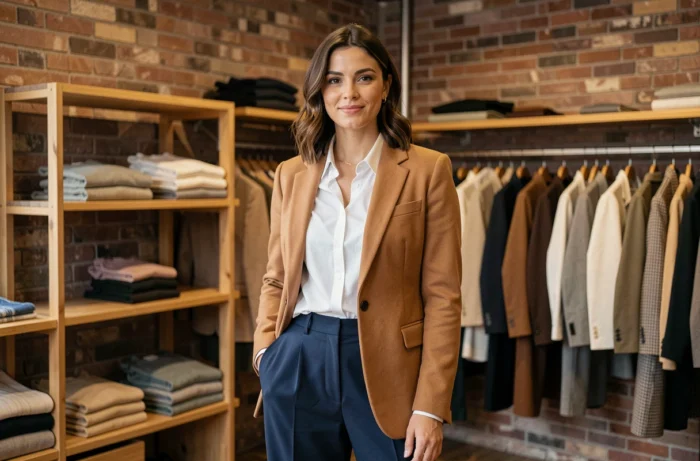
The women’s fashion market is undergoing profound changes. The spring-summer 2026 collections showcased during the latest Fashion Weeks highlighted fluid silhouettes, loose cuts, and a marked return of leather. At the same time, a European regulatory framework is set to change how brands communicate their environmental commitments. This context blends aesthetic renewal with unprecedented constraints for the textile industry.
European anti-greenwashing directive: what changes for women’s fashion in 2026
Starting from September 27, 2026, the European directive Empowering Consumers for the Green Transition (EU 2024/825) becomes fully applicable. This regulation strictly governs the environmental claims made by fashion and textile brands throughout the European Union.
Generic terms like “eco-friendly,” “sustainable,” “green,” or “environmentally friendly” can no longer appear alone on labels, e-commerce sites, or marketing materials. To use these terms, a brand must provide verifiable proof of excellent environmental performance throughout the product’s lifecycle, certified by a European Eco-label or a type I label compliant with the EN ISO 14024 standard.
In-house labels invented by a brand, “green leaf” or “eco-badge” pictograms without independent certification are considered greenwashing and are prohibited. Claims such as “carbon neutral” are also among the targeted formulations. Many women’s fashion brands positioned in the responsible niche will need to revise their collection descriptions, visuals, and sales pitches.
To keep up with the evolution of these topics over the seasons, the fashion section of La Petite Revue regularly discusses trends through this regulatory and stylistic lens.

Loose cuts and fluid silhouettes: the women’s fashion trend shaping collections
Wide and fluid trousers are becoming a central piece in women’s wardrobes. Lightweight blazers, oversized shirts, and long dresses complement this shift towards generous volumes. These cuts are not new, but their omnipresence in current collections reflects an underlying movement.
Several factors explain this persistence. Comfort remains a top purchasing criterion since the post-lockdown period. Loose silhouettes also help reduce sizing issues in e-commerce, a logistical challenge for brands facing high return rates.
Barrel jeans and beige trousers: two cuts to know
The barrel jeans (rounded cut at the thighs, tapered at the ankle) mark a turning point from the slim styles that dominated previous collections. Its sculptural volume alters the silhouette’s proportions without sacrificing the garment’s structure.
Beige cotton or linen trousers, worn loose, work in tandem with more fitted pieces on top (crop top, tucked-in shirt). This play of proportions remains one of the most reliable stylistic levers for building a coherent look without multiplying purchases.
Colors and materials of the spring-summer 2026 collections
Red stands out as the key color of the season, ranging from vermilion to burgundy on the runways. Leather, usually associated with fall-winter, makes a notable appearance in summer collections in the form of lightweight jackets, short skirts, and accessories.
- Butter yellow, a soft and flattering tone, can be worn as a total look or as an accent on an accessory to break up a neutral outfit
- All-white (“carte blanche”) returns strongly, worn head to toe with different textures to avoid a uniform effect
- Stripes, particularly on midi skirts, add visual movement without overwhelming color
In terms of materials, linen and lightweight cotton dominate summer pieces. However, fine leathers and soft faux leathers appear in items typically expected in mid-season, indicating that the boundaries between seasonal wardrobes are blurring.
Building a personal style without following every micro-trend
Social media accelerates the pace of micro-trends to the point of rendering a garment obsolete in a few weeks. This phenomenon pushes some consumers to favor durable and versatile pieces over impulsive purchases dictated by an algorithm.
Invest in structuring basics
A functional wardrobe relies on a few key pieces that can be mixed and matched:
- A lightweight blazer in a neutral color (beige, navy, gray) that works from the office to the weekend
- A flowy long dress, wearable with flat sandals in summer or ankle boots in mid-season
- A straight or barrel cut jean, timeless enough to last two or three seasons without looking outdated
- An oversized cotton shirt, serving as both a lightweight jacket and a structured top
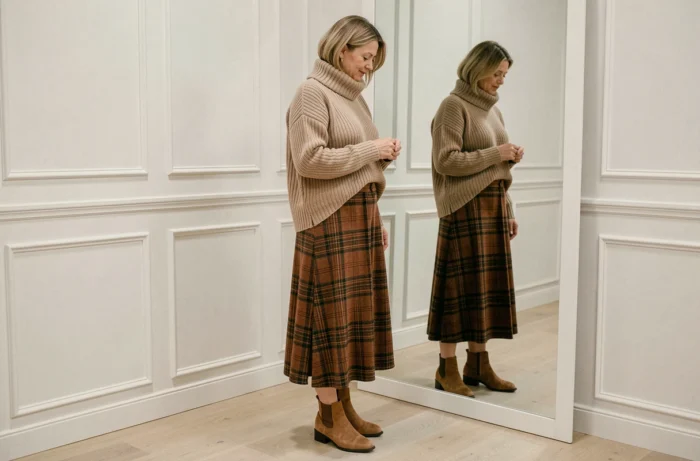
The goal is not to abandon trends but to distinguish those that suit one’s body type and lifestyle from those that won’t survive the season. The oversized sweater, for example, works well in both autumn-winter looks and in a lighter version for spring, making it a more worthwhile investment than an ultra-seasonal piece.
Accessories: the least expensive lever
Mules, flat sandals, ballet flats: the shoes for the spring-summer 2026 season remain relatively classic in their shapes. Compact bags and discreet jewelry complement this approach. A well-chosen accessory updates an existing outfit without requiring a complete wardrobe overhaul.
Current women’s fashion oscillates between an abundant creative offering and new constraints, particularly regulatory ones. The anti-greenwashing directive of September 2026 will likely reshuffle the cards between brands that genuinely document their practices and those that relied on reassuring vocabulary. For consumers, reading labels with a more critical eye becomes as useful a reflex as choosing the right cut of jeans.


