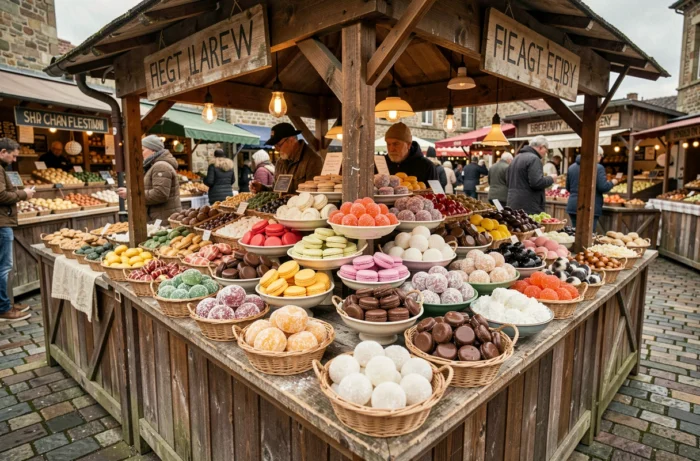
Culinary tourism is no longer limited to starred tables or organized tasting tours. According to GetYourGuide, bookings for culinary tours have increased by 24% in the year 2026, driven by a clientele that seeks less the gourmet restaurant than the elusive snack, the regional cookie, or the artisanal candy sold in a neighborhood grocery store. This shift redraws the map of gourmet travel.
Snackmaxxing: when local treats become the reason for travel
GetYourGuide identifies a trend called snackmaxxing, the quest for the best local snacks and candies as the main reason for travel. The matcha Kit Kat brought back from Tokyo, sesame cookies from a Tunisian market, or regional Scandinavian chocolate bars are no longer secondary souvenirs. They become the purpose of the trip.
This phenomenon is explained by the visibility of social media, where a video about a Japanese snack or a Mexican candy can generate millions of views in just a few hours. Travelers then recreate the experience on-site, shopping list in hand. The catalogs of specialties available on monde-gourmandises.net reflect this growing diversity of treats from all continents.
Field feedback diverges on the sustainability of this trend. Some tourism professionals see it as a fad linked to algorithms, while others believe that food curiosity is rooted in a deeper movement of rediscovery of local terroirs and artisanal know-how.
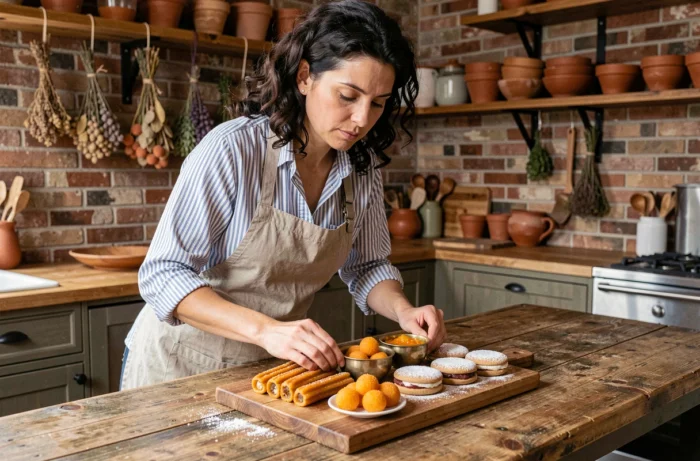
Supermarkets and grocery stores: the new gastronomic destination
Competing content focuses on iconic desserts (pastel de nata, tiramisu, baklava). They overlook a phenomenon documented by GetYourGuide: the humble grocery store is becoming a gastronomic travel destination just like markets or restaurants.
Specifically, travelers spend half a day wandering the aisles of a supermarket in Seoul, Istanbul, or Mexico City. They seek flavored chips unavailable at home, regional sodas, local butters, or industrial cookies whose taste is nothing like their exported versions.
What happens in the aisle of a foreign supermarket
The aisle of a supermarket tells a food culture that restaurants filter. Individual portions, packaging, and flavor pairings (wasabi-nori on crackers in Japan, smoked paprika on chips in Hungary) reveal the daily habits of a country. It’s a form of edible ethnography, accessible without reservations or a high budget.
This approach works particularly well in countries where street food is already recognized. In Thailand, South Korea, or Mexico, the transition from street market to convenience store aisle extends culinary exploration without a break in register.
European terroirs: beyond iconic desserts
Europe remains a major destination for culinary travel, but the routes are diversifying. In France, Alsace and Brittany attract for different reasons:
- Alsace combines a dense wine heritage (white wines, crémants) with sweet-salty specialties (bredele, kougelhopf) rarely exported outside the Christmas season
- Brittany plays on salted butter, crepes, and artisanal caramels, but also on a local biscuit industry that provides products very different from their national industrial versions
- Southern Italy, less covered than Tuscany or Emilia-Romagna, offers pastries made with ricotta and citrus that do not travel (sfogliatella, cassata) and are discovered almost exclusively on-site
These terroirs share a common point: the most interesting treats are those that do not export. Their fragility, short shelf life, or connection to local know-how make them unavailable elsewhere.
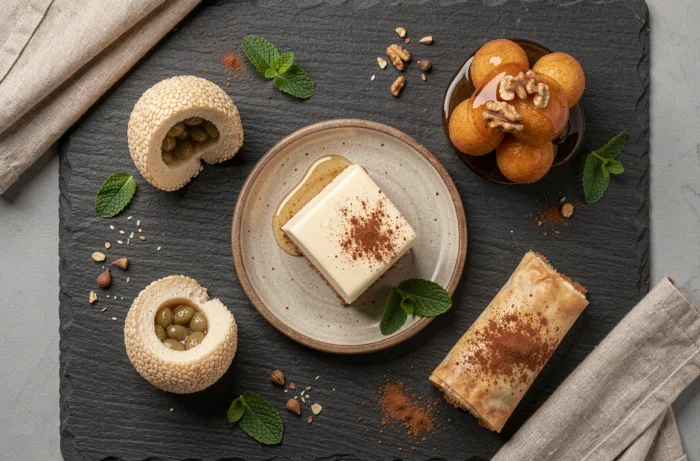
Flavors of Asia and Africa: treats still under-documented
Japanese mochi and Turkish baklava already rank high in online listings. Other specialties remain underrepresented in French-speaking guides.
Southeast Asia and rice confections
Vietnam, Thailand, and the Philippines produce rice-based confections made from glutinous rice, coconut milk, and tropical fruits that vary from province to province. In Vietnam, kẹo dừa (coconut candies from Bến Tre) are an example of a regional treat whose recipe changes depending on the workshop that makes them. Each province has its variant, and the difference is noticeable.
West Africa and peanut confections
Kashata, made from coconut or peanuts, is consumed in East Africa. In West Africa, sweet peanut pastes and millet donuts constitute a sweet heritage that is still rarely integrated into culinary tourism circuits. Available data does not allow for measuring the extent of this tourist offering, but booking platforms are beginning to list culinary experiences in cities like Dakar or Accra.
What the culinary tourism market reveals about our habits
Gourmet travel is no longer a niche reserved for discerning foodies. The search for local flavors and regional specialties now shapes a significant part of destination choices. Treats, snacks, and artisanal pastries function as compact cultural markers, easy to share (both in photos and in luggage).
The criterion that distinguishes a true culinary trip from a mere meal abroad often lies in the approach: seeking what is not on the tourist map, entering the grocery store rather than the restaurant, tasting what locals eat daily rather than what they showcase. It is in this gap that the most memorable treats are found.


